Canopy Pruning in Allentown, PA
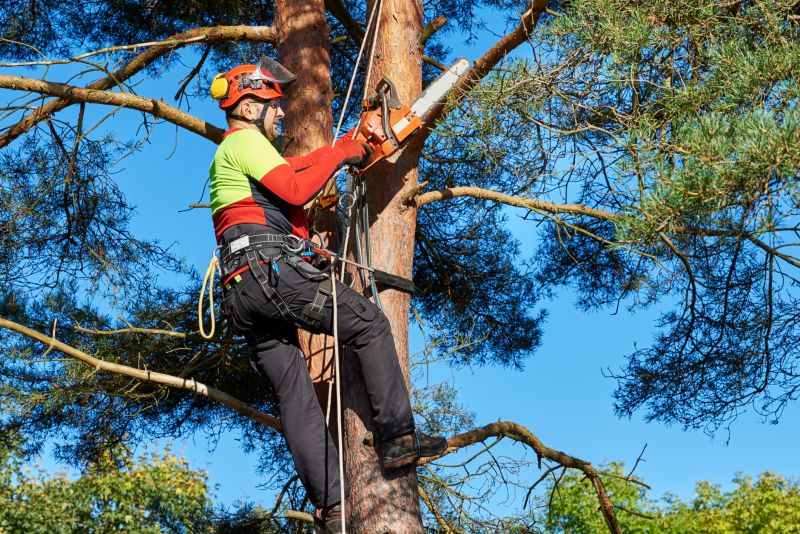
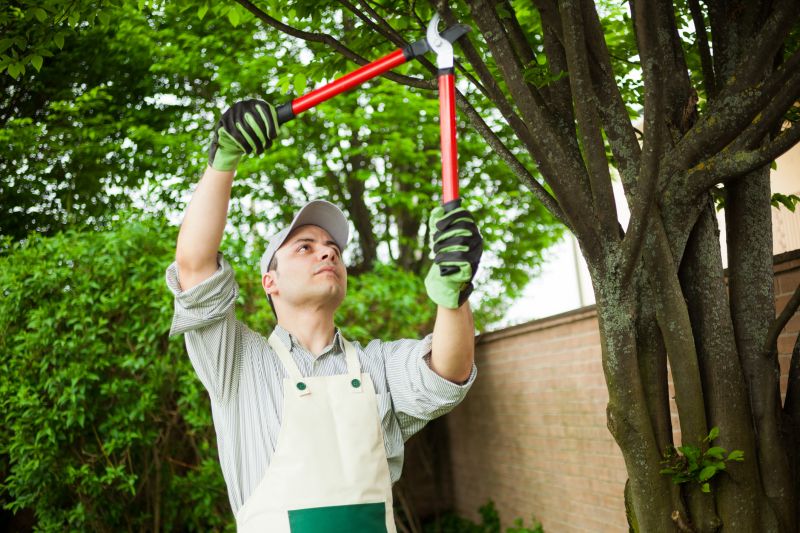
Canopy pruning services involve carefully trimming and shaping the upper branches of trees to promote healthy growth, improve safety, and enhance the overall appearance of a property. This type of pruning is often requested for trees with overgrown or hazardous canopies, trees near structures, or those that require aesthetic shaping. Property owners typically seek canopy pruning to reduce the risk of falling branches, prevent interference with power lines or buildings, and maintain the tree’s natural form.
Before requesting canopy pruning, property owners should consider the specific goals for their trees, such as safety, health, or aesthetics. It’s important to assess the condition of the tree, including any signs of disease or decay, and to determine the desired outcome, whether it’s removal of deadwood, thinning dense branches, or shaping the canopy. Clear communication about these objectives can help ensure the pruning process aligns with the property’s needs and preserves the tree’s vitality.
Many property owners in Allentown, PA look into Canopy Pruning for repairs, replacements, upgrades, and appearance-related improvements.
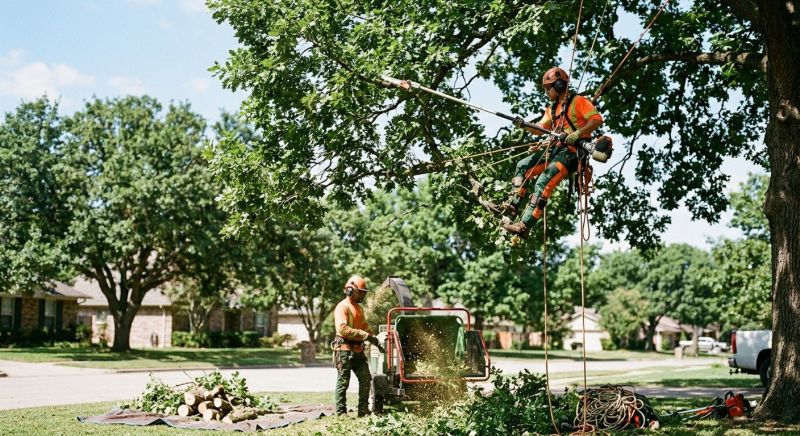
Healthy Tree Growth
Proper canopy pruning supports strong and balanced tree development.
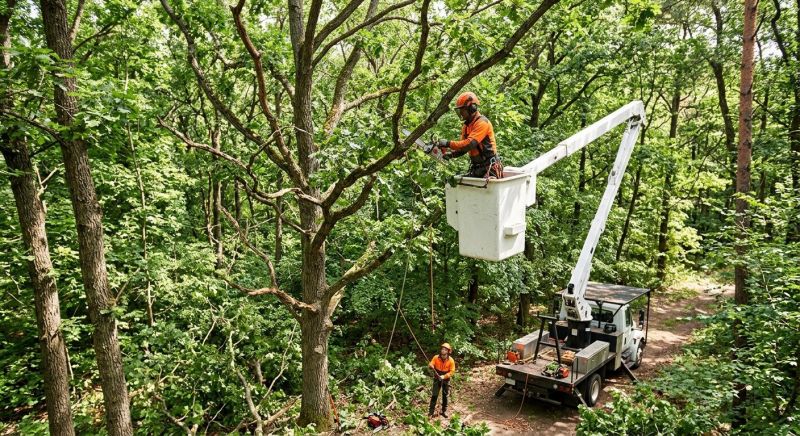
Safety And Clearance
Removing overgrown branches reduces hazards around homes and walkways.
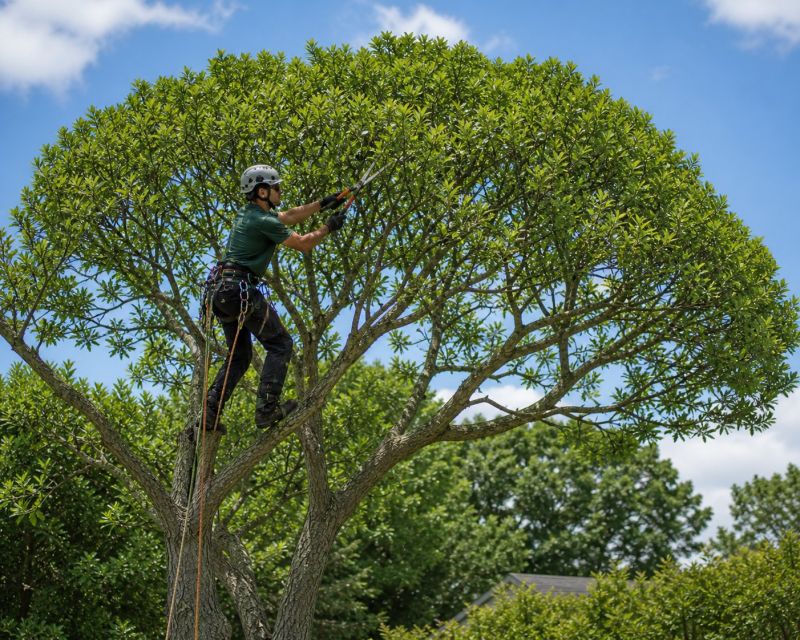
Property Aesthetics
Pruning enhances the overall appearance and curb appeal of residential landscapes in allentown, pa.
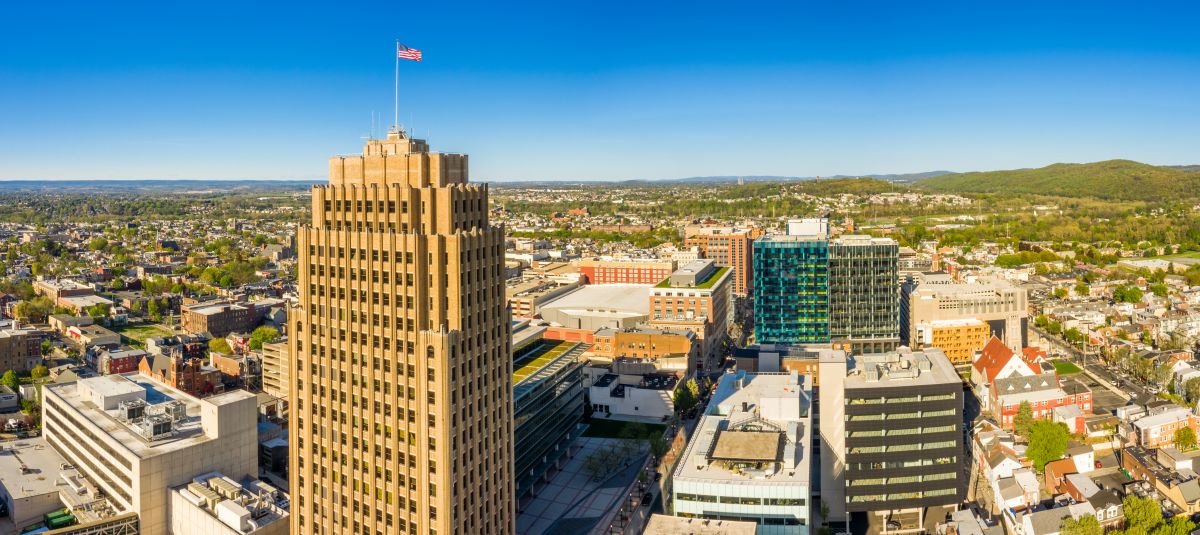
Canopy Pruning in Allentown, PA
Canopy pruning services involve carefully trimming and shaping the upper branches of trees to promote healthy growth, improve safety, and enhance the overall appearance of a property. This type of pruning is often requested for trees with overgrown or hazardous canopies, trees near structures, or those that require aesthetic shaping. Property owners typically seek canopy pruning to reduce the risk of falling branches, prevent interference with power lines or buildings, and maintain the tree’s natural form.
Before requesting canopy pruning, property owners should consider the specific goals for their trees, such as safety, health, or aesthetics. It’s important to assess the condition of the tree, including any signs of disease or decay, and to determine the desired outcome, whether it’s removal of deadwood, thinning dense branches, or shaping the canopy. Clear communication about these objectives can help ensure the pruning process aligns with the property’s needs and preserves the tree’s vitality.
Many property owners in Allentown, PA look into Canopy Pruning for repairs, replacements, upgrades, and appearance-related improvements.
Common Canopy Pruning Jobs
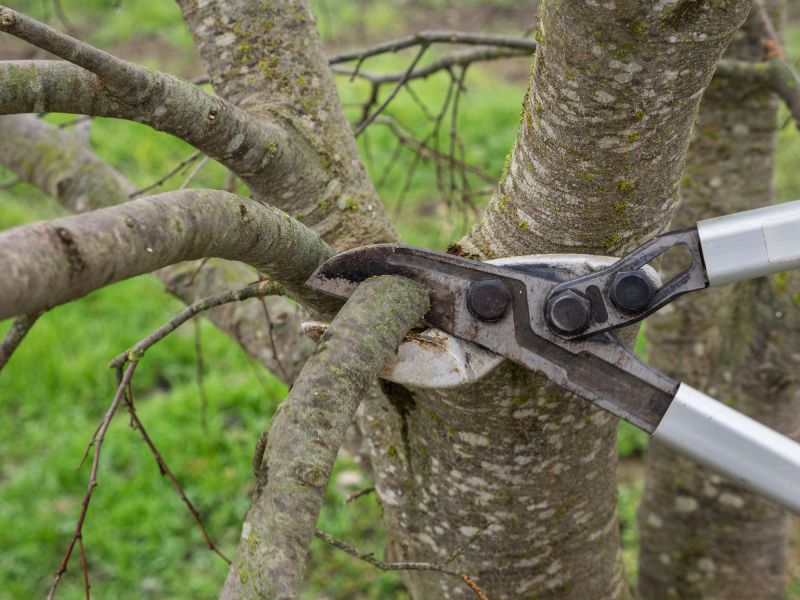
Canopy pruning involves removing overgrown branches to improve tree health and structure.
Selective trimming helps maintain the canopy’s shape and promotes even growth.
Deadwood removal eliminates diseased or damaged branches to prevent decay.
Thinning reduces canopy density to increase sunlight penetration and airflow.
Structural pruning guides branch development to support tree stability and safety.
Storm damage cleanup restores canopy integrity after severe weather events.

Canopy Pruning Questions
What is canopy pruning? Canopy pruning involves trimming the upper parts of trees to improve structure and health, promoting better growth and safety.
Why should property owners consider canopy pruning? It helps reduce the risk of falling branches, improves sunlight exposure, and enhances the overall appearance of the tree.
What types of trees benefit from canopy pruning? Most mature trees, including shade trees and ornamental species, can benefit from canopy pruning to maintain their shape and health.
When is the best time to schedule canopy pruning? The ideal time is during late winter or early spring before new growth begins, depending on the tree species.
Request Canopy Pruning in Allentown, PA
Use the quote form on this page to share the basics of your project and request more information for the type of work you need.