Get Bush Pruning
Local contractors offer bush pruning services to remove overgrown or damaged branches, improve tree health, and enhance property safety and appearance.
Bush pruning services are an important aspect of maintaining the health and appearance of your landscape. Proper pruning helps promote vigorous growth, remove dead or overgrown branches, and shape bushes to enhance curb appeal. Property owners in the area often consider this work to ensure their outdoor spaces remain attractive and well-kept, whether for personal enjoyment or to make a positive impression on visitors.
Exploring options among local contractors can provide valuable insights into the best approaches for your specific needs. Comparing different service providers allows property owners to find experienced professionals who can handle pruning projects efficiently and effectively. Keep reading to discover how connecting with qualified local experts can support your landscape maintenance goals.
- Bush Pruning - when overgrown or damaged bushes need shaping or health improvement.
- Hedge Trimming - to maintain the desired size and appearance of hedges in residential or commercial landscapes.
- Shrub Reduction - to control the size of bushes that have become too large or unruly.
- Deadwood Removal - when removing dead or diseased branches to promote plant health and safety.
- Seasonal Bush Care - during specific times of year to prepare bushes for growth cycles or dormancy.
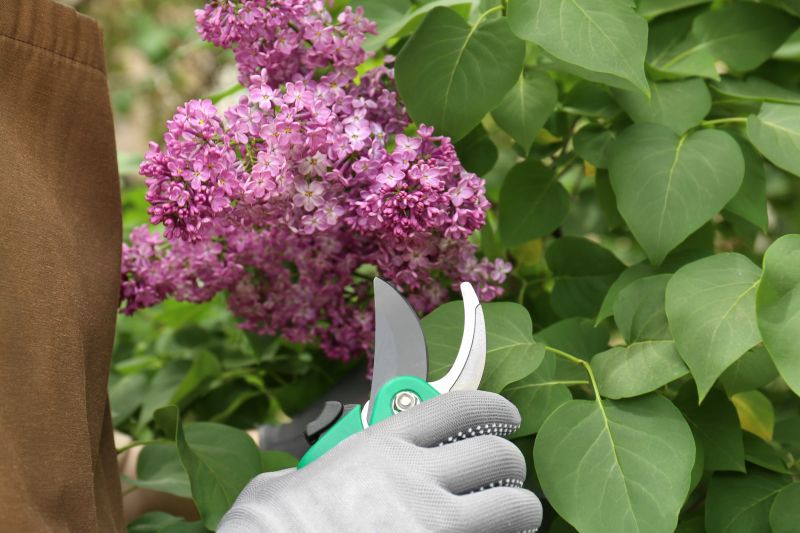

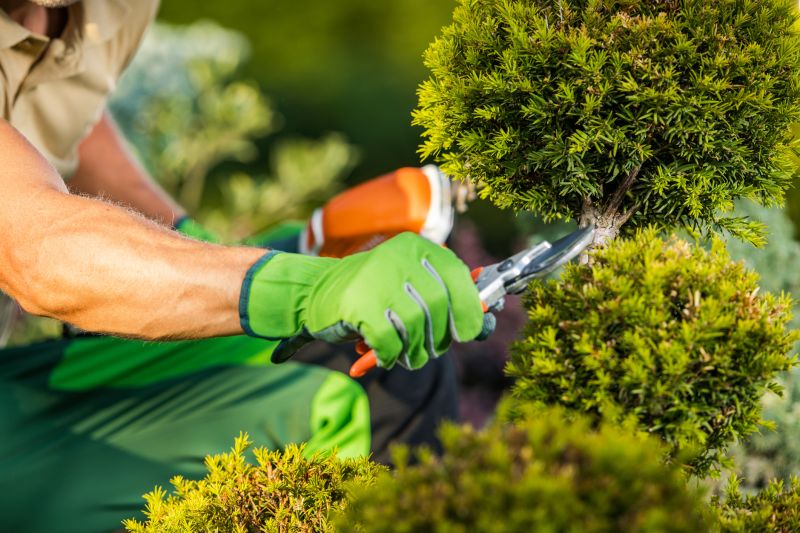
Bush pruning services involve carefully trimming and shaping shrubs and bushes to maintain their health and appearance. This process typically includes removing dead, damaged, or overgrown branches to promote better growth and airflow. Proper pruning helps prevent the spread of disease, reduces the risk of branches breaking under the weight of snow or wind, and keeps bushes looking tidy and well-maintained. Service providers use a variety of tools to ensure precise cuts, which encourages healthy development and enhances the overall landscape aesthetic.
Many common problems can be addressed through bush pruning. Overgrown bushes can become unruly, blocking pathways or obstructing views, which may create safety concerns or diminish curb appeal. Dead or diseased branches can harbor pests or spread decay, threatening the health of the entire plant. Additionally, unpruned bushes may become too dense, limiting sunlight and airflow that are essential for healthy growth. Regular pruning helps mitigate these issues, supporting the longevity and vitality of the plants while maintaining a neat appearance.
Bush pruning is often needed on residential properties, particularly in gardens, front yards, and around walkways or patios. Homeowners with landscaped yards that feature ornamental bushes, hedges, or foundation plantings frequently seek these services to keep their outdoor spaces attractive and functional. Commercial properties, such as office complexes or retail centers, also utilize bush pruning to uphold professional curb appeal. Regardless of property size, anyone noticing overgrown, damaged, or unkempt bushes can benefit from professional pruning to improve safety, appearance, and plant health.
Property owners should consider bush pruning services when they observe certain signs. These include bushes that have become excessively dense or overgrown, branches that are dead or broken, or plants that appear unhealthy or diseased. Regular maintenance can prevent problems before they escalate, ensuring the landscape remains attractive and safe. Service providers are available to assess the condition of bushes and perform the necessary trimming and shaping, helping property owners maintain a well-kept outdoor environment.
The overview below groups typical Bush Pruning projects into broad ranges so you can see how smaller, mid-sized, and larger jobs often compare in your area.
In many markets, a large share of routine jobs stays in the lower and middle ranges, while only a smaller percentage of projects moves into the highest bands when the work is more complex or site conditions are harder than average.
Small Tree Pruning - Typically ranges from $100-$300 for routine trims of smaller trees. Many local contractors handle these projects efficiently within this range, though complexity can cause prices to vary slightly.
Medium Tree Pruning - Costs usually fall between $300-$800 for moderate-sized trees or more detailed shaping. Most projects in this category tend to stay within this range, with larger or more intricate jobs reaching higher prices.
Large Tree Pruning - Expect to pay between $800-$2,500 for extensive pruning of mature trees. Larger, more complex projects can exceed this range, but most routine large tree trims remain within these costs.
Full Tree Removal - The cost for complete removal generally ranges from $500-$3,000, depending on tree size and location. Larger or more challenging removals can surpass this, though many projects are completed within the middle of this spectrum.
Actual totals will depend on details like access to the work area, the scope of the project, and the materials selected, so use these as general starting points rather than exact figures.
Tree Trimming - tree trimming involves shaping and removing branches, similar to bush pruning, requiring precise cutting tools and planning to maintain plant health and aesthetics.
Landscape Maintenance - landscape maintenance projects often include shrub and hedge trimming, which shares skills in pruning techniques and understanding plant growth patterns.
Garden Bed Clearing - clearing overgrown garden beds involves removing unwanted growth and dead branches, utilizing similar tools and planning as bush pruning services.
Hedge Shaping - shaping hedges requires detailed pruning to achieve desired forms, closely related to bush pruning in terms of technique and tool use.
Storm Damage Cleanup - removing fallen branches and damaged foliage after storms involves pruning and cutting skills similar to those used in bush maintenance.
Tree Branch Removal - removing hazardous or overgrown branches from trees requires careful planning and pruning skills comparable to bush pruning projects.
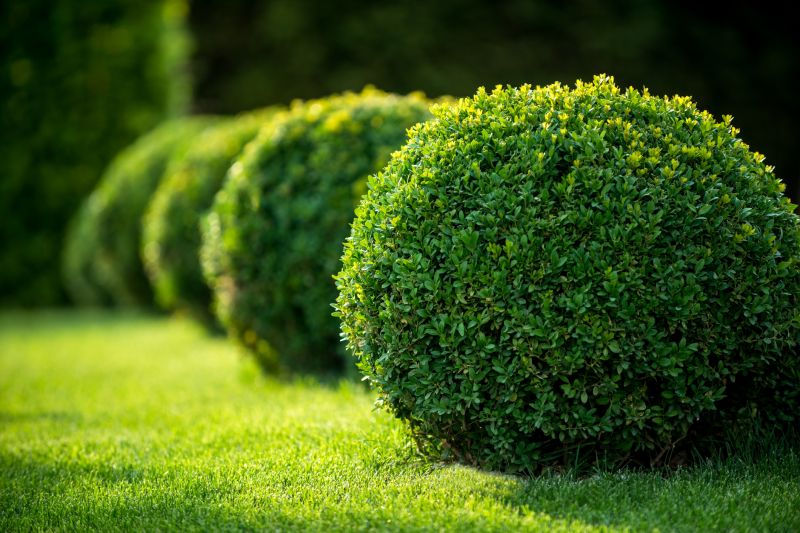
When comparing service providers for bush pruning, it’s important to consider their experience with similar projects. Homeowners should look for local contractors who have a proven track record of handling bush pruning tasks comparable to the scope and complexity of their own landscape. Asking about past projects or requesting examples of work can help gauge a provider’s familiarity with different plant types and pruning techniques, ensuring they have the practical knowledge needed for the job.
Clear, written expectations are essential to avoid misunderstandings and ensure satisfaction with the completed work. Homeowners should seek out service providers who can provide detailed descriptions of their approach, including what the pruning will entail, the tools they will use, and any preparations or follow-up that might be necessary. Having this information in writing helps establish a shared understanding of the project scope and can serve as a reference throughout the process.
Reputable references and good communication are key indicators of a reliable local contractor. Homeowners are encouraged to ask for references from previous clients who had similar work done and to verify the quality of the service provider’s communication style. A contractor who responds promptly, clearly, and professionally can make the entire process smoother and more predictable. It’s worth noting that the site introduces homeowners to local options for bush pruning services, but it does not perform the work itself. Instead, it helps connect individuals with trusted local service providers who can handle the project efficiently.
Property owners use Bush Pruning services for practical projects around their homes and businesses. This guide focuses on everyday jobs and straightforward project options.
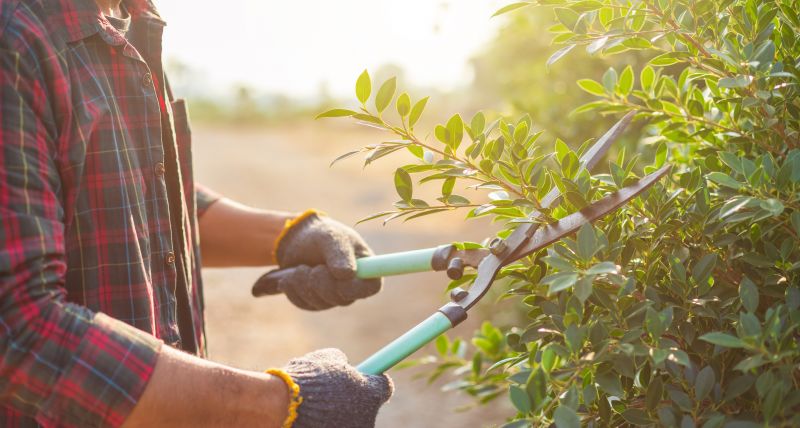
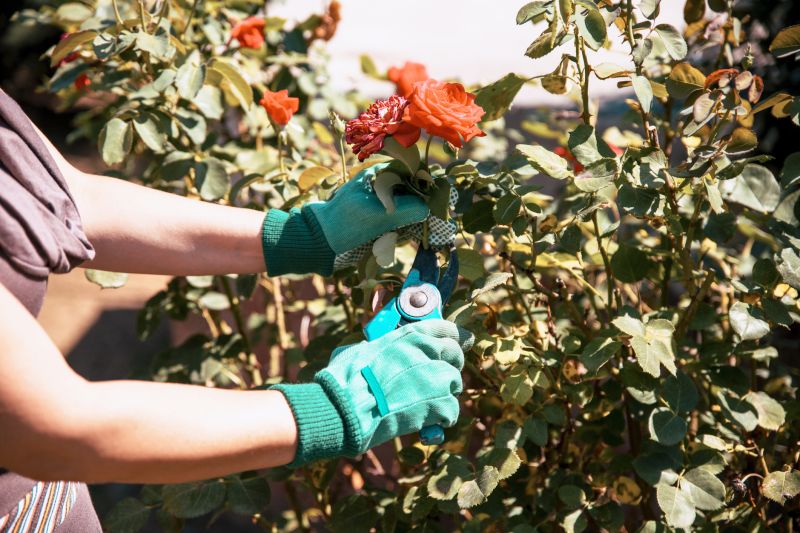
Bush pruning services are often sought after by property owners who want to maintain the health and appearance of their landscape. Whether dealing with overgrown shrubs that block pathways, trees that have become too dense, or bushes that are encroaching on structures, local contractors can provide the necessary trimming and shaping. Regular pruning can also promote healthier growth, reduce the risk of damage during storms, and improve overall curb appeal for homes and businesses alike.
In addition, property owners may look for bush pruning when preparing for seasonal changes or upcoming events that require a tidy outdoor space. Overgrown or unruly bushes can hinder visibility, create safety hazards, or simply detract from the property's aesthetic. Local service providers are available to handle these projects efficiently, ensuring that bushes are properly maintained and shaped to suit the specific needs of each property.
What are the benefits of bush pruning services? Bush pruning helps maintain plant health, encourages new growth, and improves the overall appearance of landscape shrubs.
How do local contractors determine which pruning techniques to use? They assess the type of shrub, its growth stage, and desired shape to select appropriate pruning methods for optimal results.
Can bush pruning be done on all types of plants? Most common landscape shrubs can be pruned, but the suitability of pruning techniques may vary based on the plant species.
What tools do professional bush pruning services typically use? Professionals often use pruning shears, loppers, and saws to carefully trim and shape bushes.
Why should I hire a professional for bush pruning instead of doing it myself? Experienced service providers have the knowledge and tools to prune safely and effectively, helping to prevent damage to plants.
Tree Health Maintenance - Regular pruning helps keep trees healthy and prevents disease, ensuring they remain strong and vibrant.
Safety Clearance Improvements - Pruning can create safe distances between trees and structures or power lines to reduce hazards.
Enhancing Curb Appeal - Proper trimming shapes trees to improve the appearance of a property and boost its overall attractiveness.
Encouraging Fruit Production - Pruning can stimulate better fruit growth and harvests in fruit-bearing trees on residential properties.
If you are thinking about Bush Pruning for a property, this guide is meant to help you understand the work, the typical project types, and how different options might fit your plans.
When you are ready, you can use the quote form on this page to share a few details about your project. From there, local pros can review the basics and respond with options that match what you have in mind.