Tree Canopy Thinning in Reno, NV
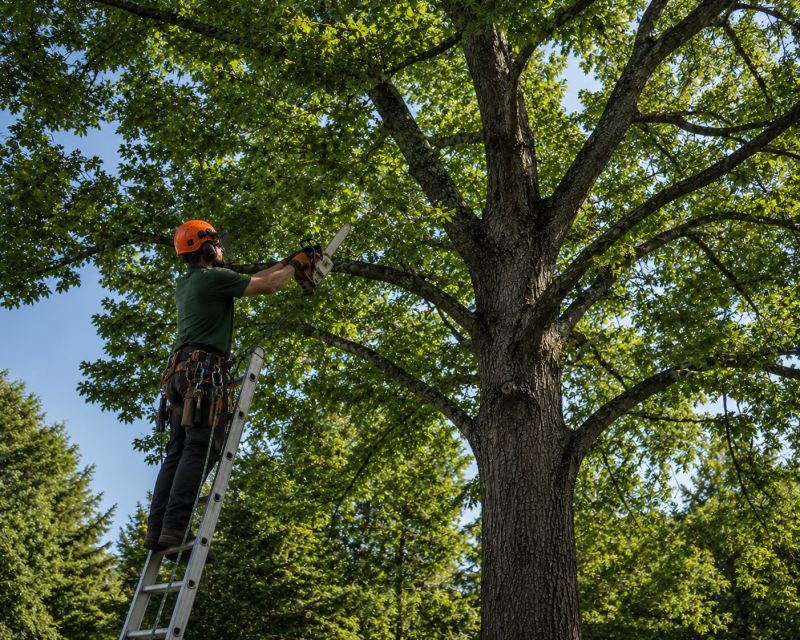
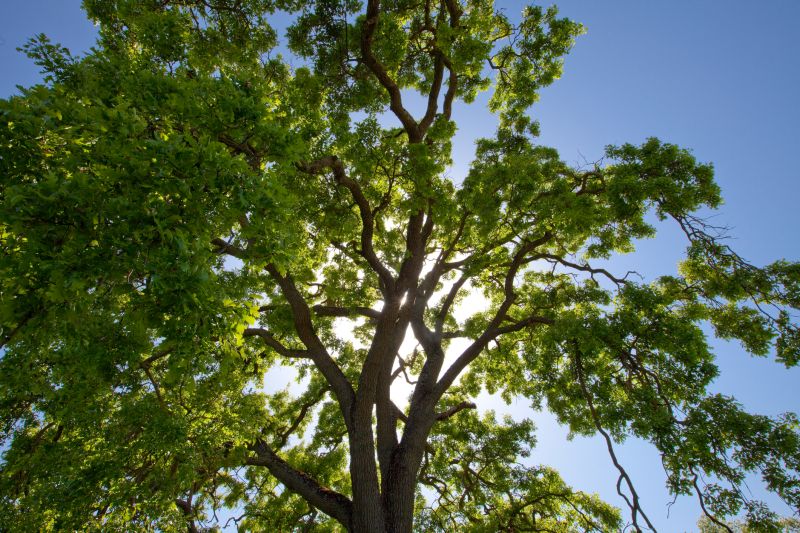
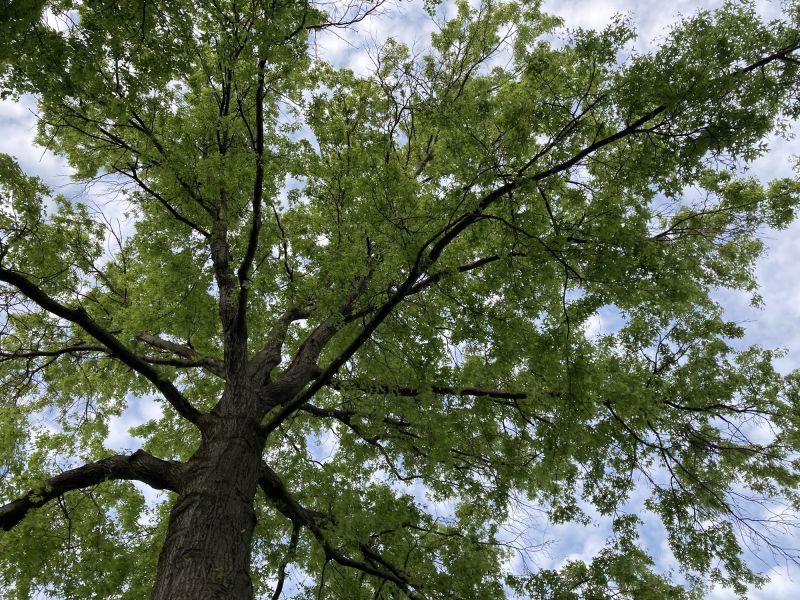
Tree canopy thinning services involve carefully reducing the density of branches and foliage within a tree's crown to improve overall health, safety, and appearance. This process is often requested for projects such as removing overgrown branches that threaten power lines or structures, enhancing sunlight penetration to lawns and gardens, and promoting better airflow within the canopy to prevent disease. Property owners typically seek this service when they notice excessive branch growth, dead or damaged limbs, or when trees are becoming too dense, which can lead to safety hazards or negatively impact the landscape.
Before requesting tree canopy thinning, property owners should understand the scope of the work needed and the condition of their trees. It's important to assess whether thinning will improve the tree’s structure or address specific concerns like storm safety, pest management, or aesthetic preferences. Additionally, understanding the potential impact on the tree’s health and ensuring that the work complies with local regulations can help in planning the project effectively. Consulting with experienced professionals can provide guidance on the appropriate amount of thinning to maintain the tree’s vitality while achieving desired outcomes.
Many property owners in Reno, NV look into Tree Canopy Thinning for repairs, replacements, upgrades, and appearance-related improvements.
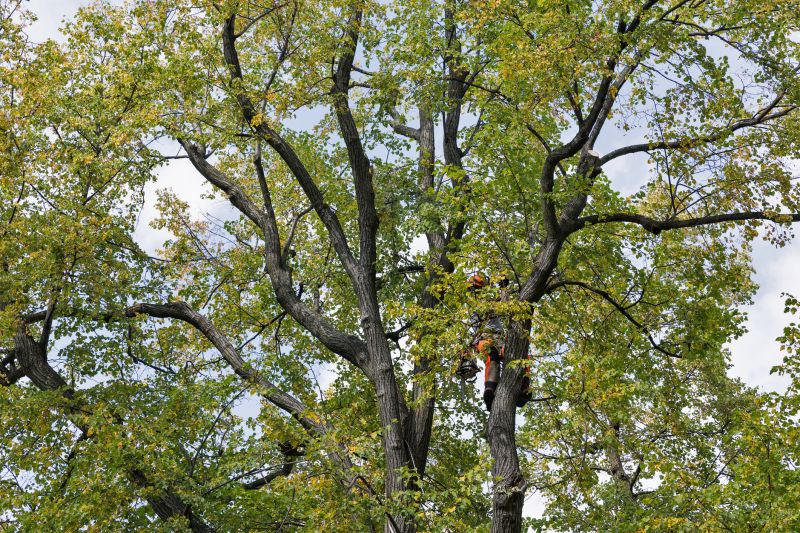
Enhancing Tree Health
Thinning the canopy can improve airflow and reduce stress on mature trees in residential landscapes.
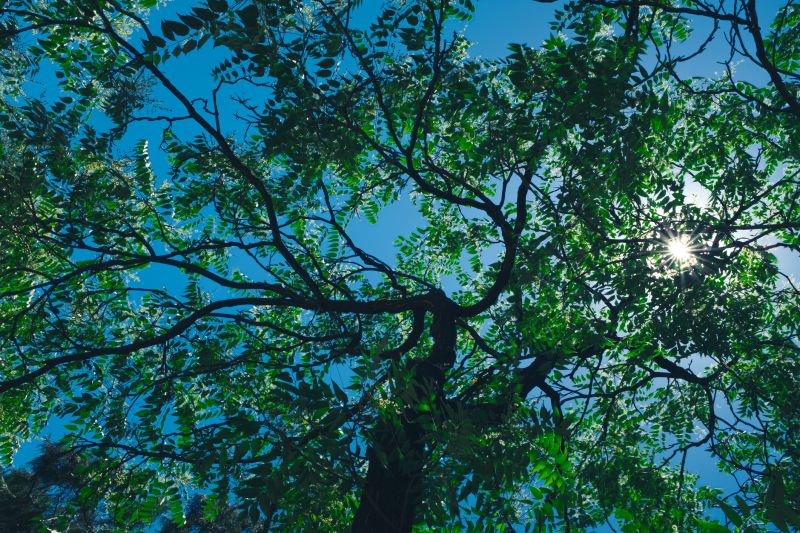
Improving Property Safety
Selective canopy thinning helps prevent falling branches and clears pathways for safe outdoor use.
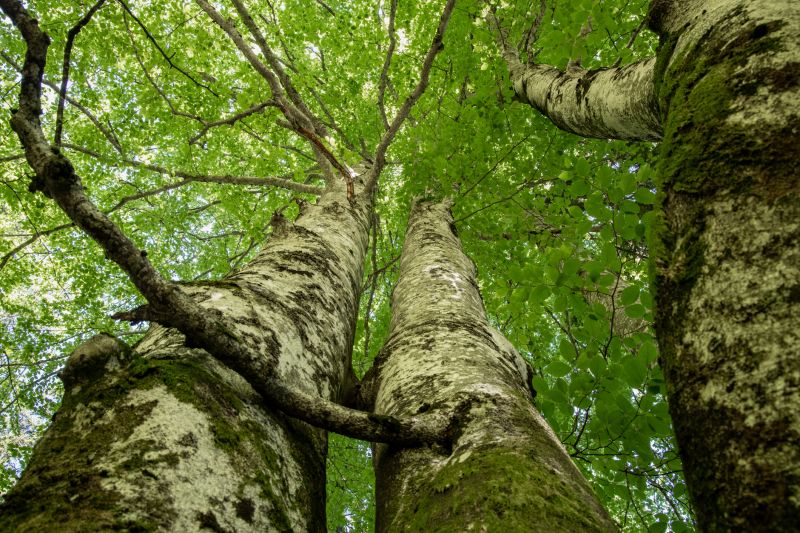
Increasing Sunlight Penetration
Reducing dense foliage allows more sunlight to reach lawns and garden beds, promoting healthier growth.
Tree Canopy Thinning in Reno, NV
Tree canopy thinning services involve carefully reducing the density of branches and foliage within a tree's crown to improve overall health, safety, and appearance. This process is often requested for projects such as removing overgrown branches that threaten power lines or structures, enhancing sunlight penetration to lawns and gardens, and promoting better airflow within the canopy to prevent disease. Property owners typically seek this service when they notice excessive branch growth, dead or damaged limbs, or when trees are becoming too dense, which can lead to safety hazards or negatively impact the landscape.
Before requesting tree canopy thinning, property owners should understand the scope of the work needed and the condition of their trees. It's important to assess whether thinning will improve the tree’s structure or address specific concerns like storm safety, pest management, or aesthetic preferences. Additionally, understanding the potential impact on the tree’s health and ensuring that the work complies with local regulations can help in planning the project effectively. Consulting with experienced professionals can provide guidance on the appropriate amount of thinning to maintain the tree’s vitality while achieving desired outcomes.
Many property owners in Reno, NV look into Tree Canopy Thinning for repairs, replacements, upgrades, and appearance-related improvements.
Common Tree Canopy Thinning Jobs
Tree Canopy Thinning - selectively reduces dense foliage to improve sunlight penetration and airflow.
Tree Crown Reduction - carefully trims overgrown branches to maintain tree health and structure.
Selective Thinning - removes specific branches to reduce weight and prevent storm damage.
Canopy Reshaping - adjusts the shape of the tree to enhance aesthetic appeal and safety.
Hazard Tree Pruning - eliminates dead or weak branches that pose a risk to property or people.
Light Penetration Improvement - thinning to allow more natural light into yards and gardens.
Tree Canopy Thinning Questions
What is tree canopy thinning? Tree canopy thinning involves selectively removing branches to reduce canopy density, improving light and airflow around the property.
When is the best time for canopy thinning? The ideal time for thinning is during late winter or early spring when trees are dormant, promoting healthy growth.
Why consider canopy thinning? Thinning can help prevent storm damage, reduce overgrown branches, and improve overall tree health and safety.
What types of trees benefit from canopy thinning? Most deciduous and some evergreen trees can benefit, especially if they have dense or overcrowded branches.
Request Tree Canopy Thinning in Reno, NV
Use the quote form on this page to share the basics of your project and request more information for the type of work you need.